Medical Science Talks 2026
Two days of insights, innovation and collaboration.
October 13 – 14, 2026 Messe Graz, AUSTRIA
14 DFP points for health care professionals
JOIN US to DISCUSS
HEALTHY AGING
Innovation for an aging society
&
CRITICAL OPERATIONS IN HEALTHCARE
Medicine and communication in times of crises – are we prepared?
FOCUS
DAY 1 – October 13, 2026.
HEALTHY AGING
SENovation Styria 2026
Innovations for our aging society and how to benefit from a mix of generation
Usability meats science and sociology
DAY 2 – October 14, 2026
CRITICAL OPERATIONS
in Healthcare
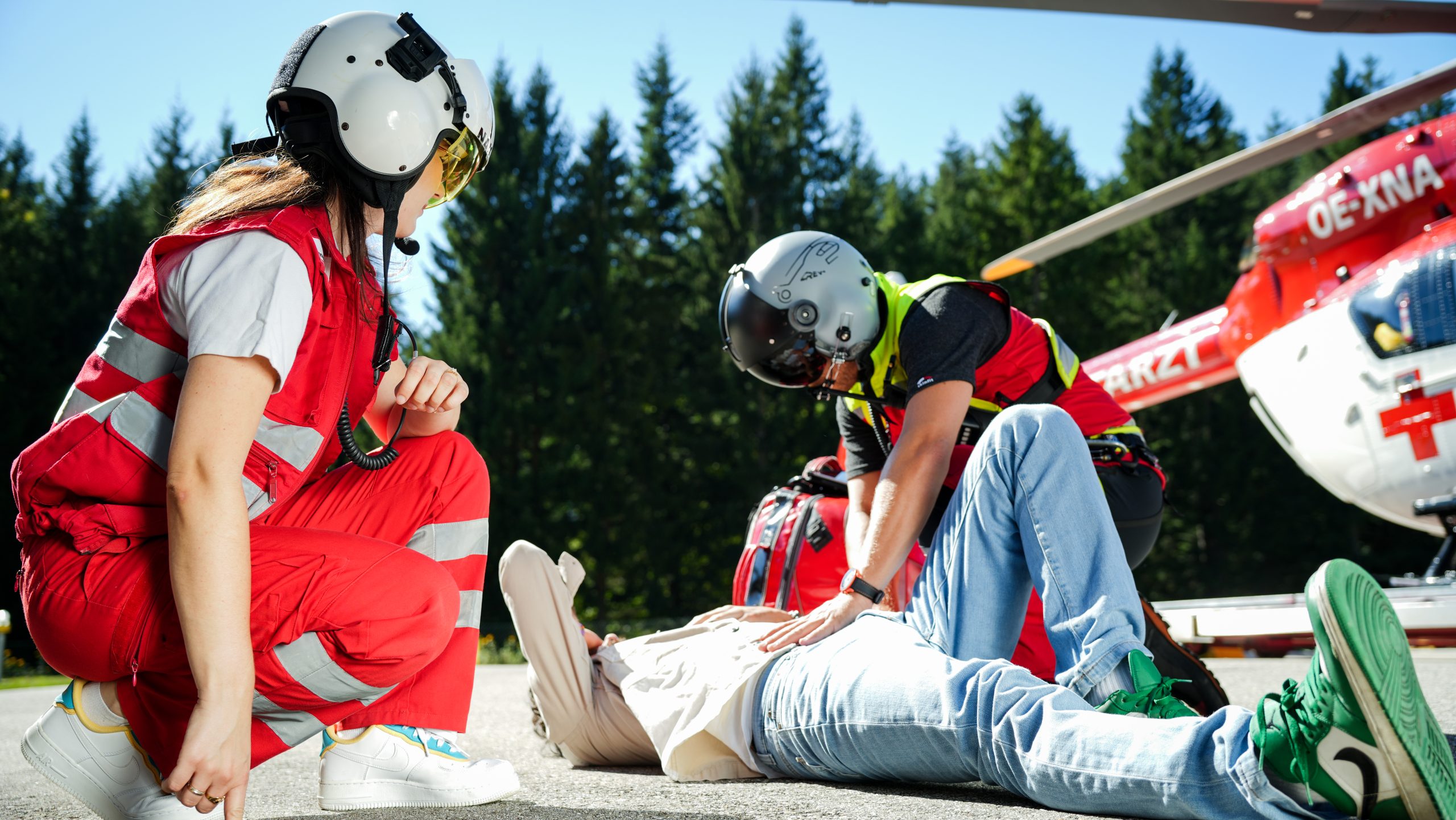
What innovations ensure medical care and communication in an emergency?
Why we need interdisciplinary preparation in time of crises.
AGENDA
DAY 1 – Healthy Aging
October 13 – SENovation Styria 2026
09:00 WELCOME Andrea Kurz, Rector – Medical University of Graz
Moderation: Victoria McGuigan, Amsterdam
Session 1: Digital Inclusion
09:10 IMPULS
Digital Inclusion, examples Siemens Healthineers
Kerstin Röse (Siemens AG, Deutschland)
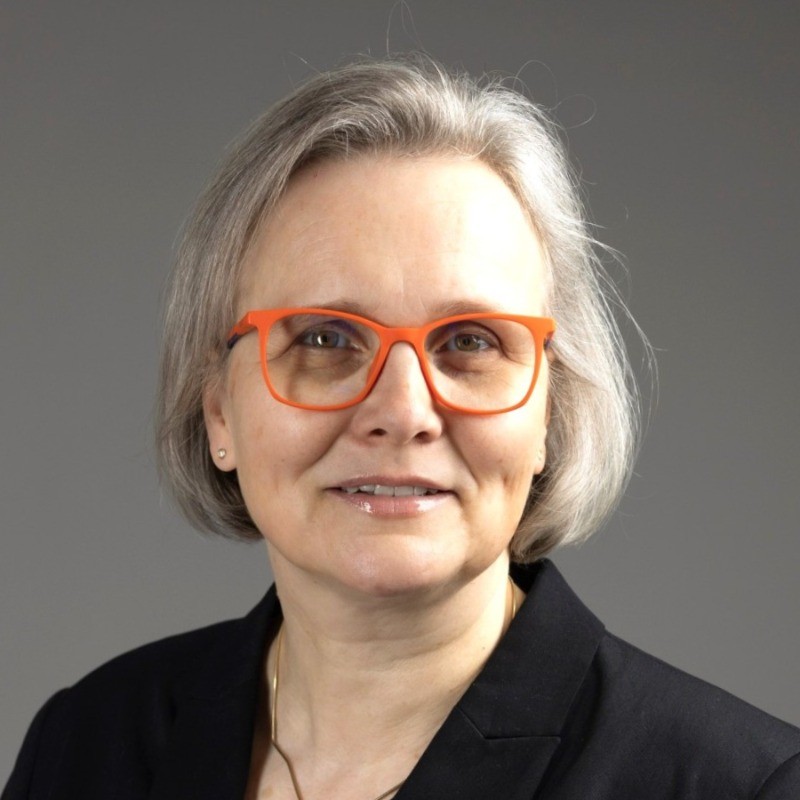
Panel discussion
Sybille Reidl (Joanneum Research Policies, Vienna)
Oliver Wimmer (Herzens App, Graz)
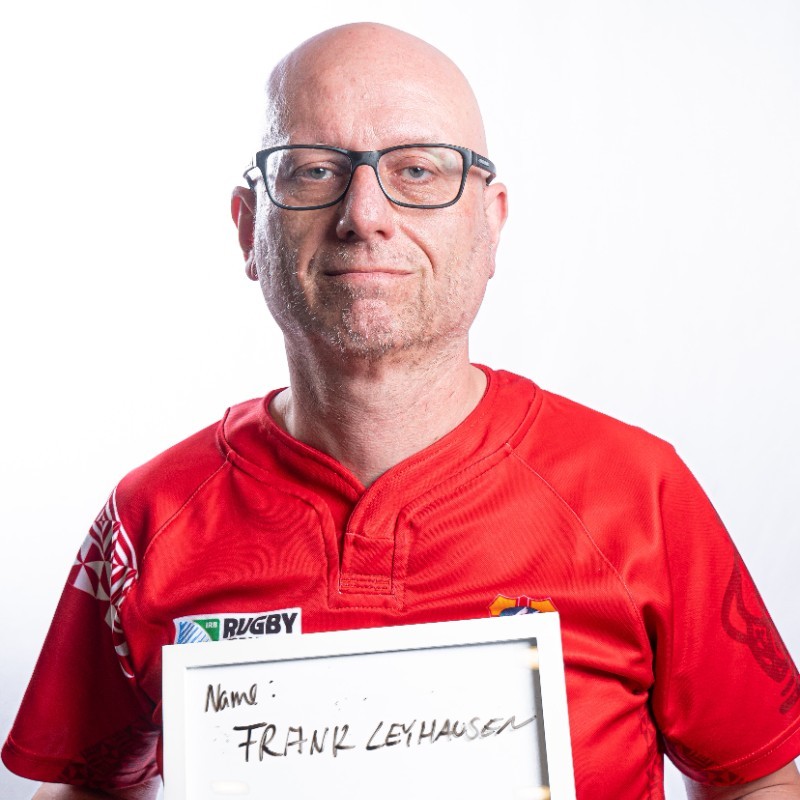
Frank Leyhausen (reifegrad4, Köln)
Session 2: Health in the age of intelligence
10:15 IMPULS
Health in the age of intelligence and connected home care with smart technology
Barbara Koop (Philips AG – Niederlande)
Panel discussion
Michael Rathmair (Joanneum Research Robotics, Klagenfurt)
Lars Kamolz (Medical University of Graz)
Stefan Arbeithuber (PAULA Lino Solutions, Linz)
Wolfgang Kratky, Rosemarie Kurz (Geriatrische Gesundheitszentren, Graz)
Jakob Tettmann, Oskar Kohlenprath (Remembria, Graz)

Session 3: Where good medicine goes wrong
11:15 IMPULS
Medical devices failed older users: practical usability and consequences: Where good medicine goes wrong
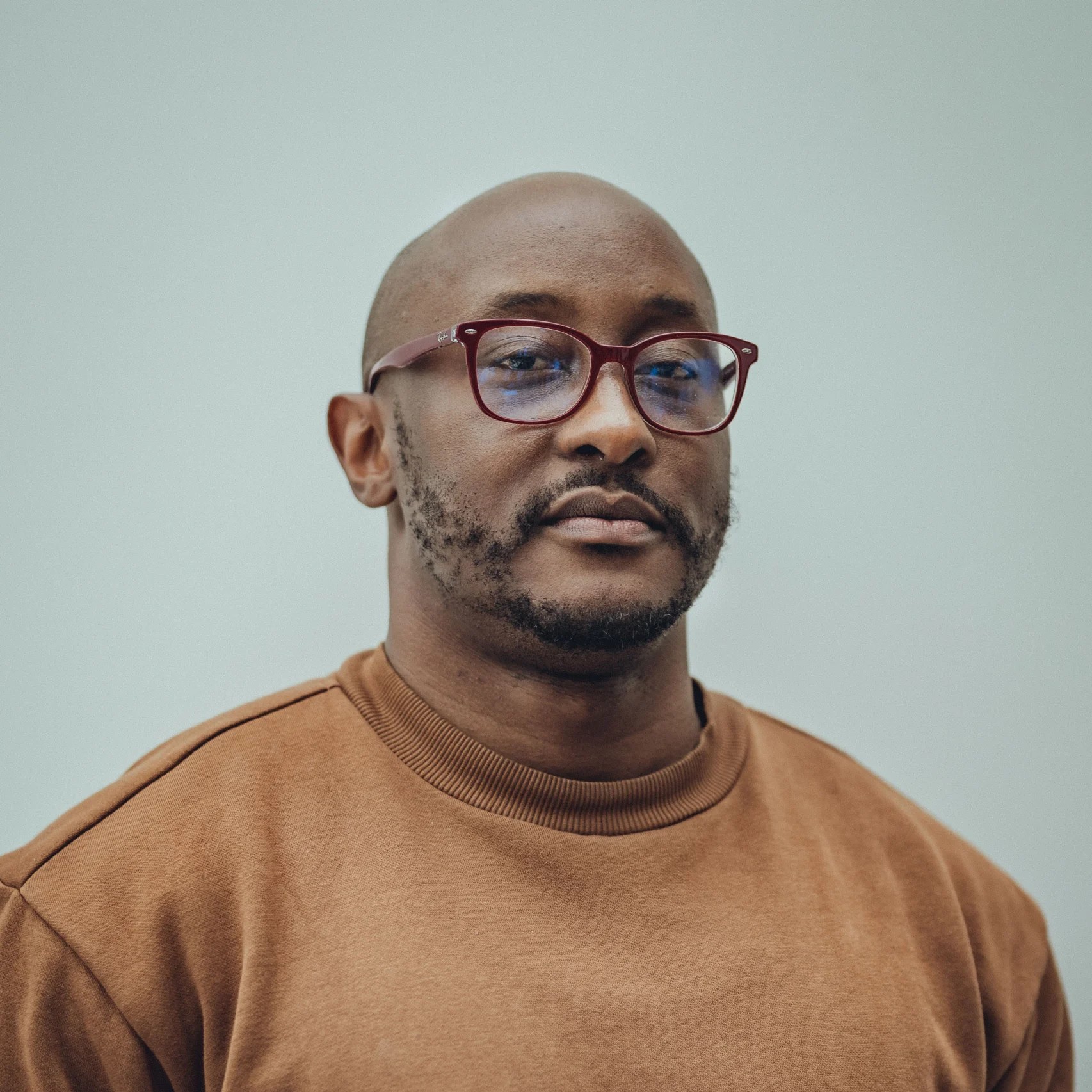
Ben Anyasodo (London)
Panel discussion
Thomas Pieber (Medical University of Graz)
Bente Knoll (Office for sustainable consequence, Vienna)
Michael Pichler (Human.Technology.Styria, Graz)
Franziska Rauch (Yorokani Magnetkleidung, Vienna)

12:25 – 14:00 LUNCH BREAK
Session 4: Aging & AI, usabiliy meets science
14:00 IMPULS
When AI Can’t See You: Designing Ethical & Inclusive Health AI for Everyone
Lizette Spangenberg (Johannesburg)

14:20 IMPULS
Comprehensive Phenotyping in aging
Thomas Scherer (Medical University of Vienna)
14:40 Open Discussion + Q&A
10min Coffee break
Session 5: AI as a medical device & user errors
15:00 IMPULS
The challenges of AI as a medical device. How do we design for systems where a user error has life-altering consequences?
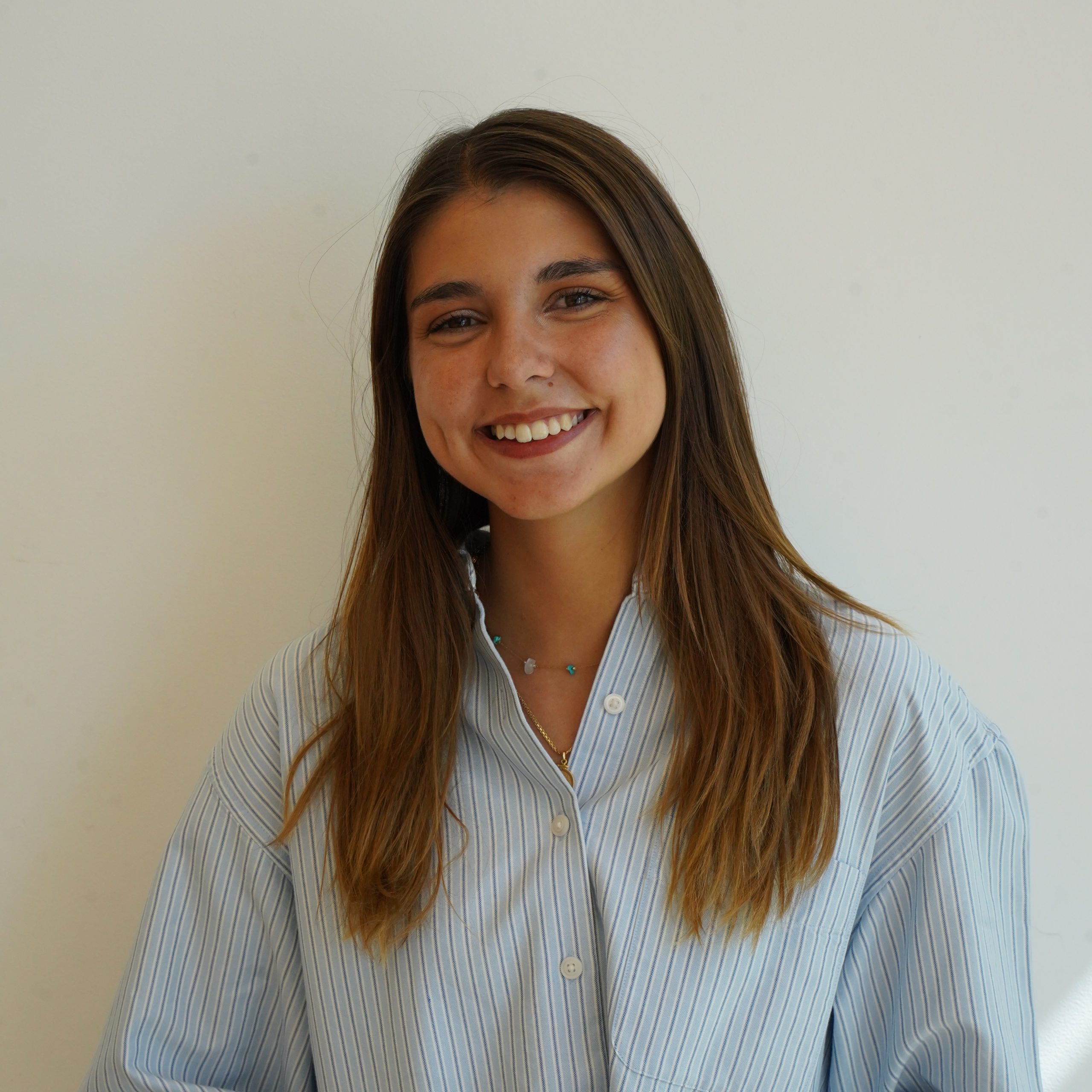
Mariana de Oliveira (Lisbon)
15:20 IMPULS
Infineon microelectronics for connected care and healthy aging
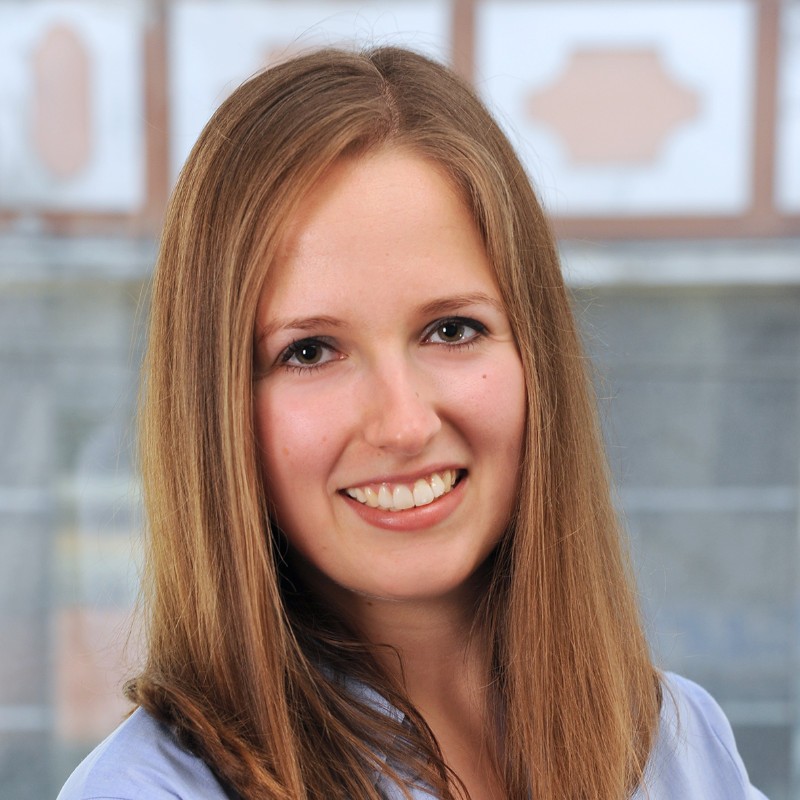
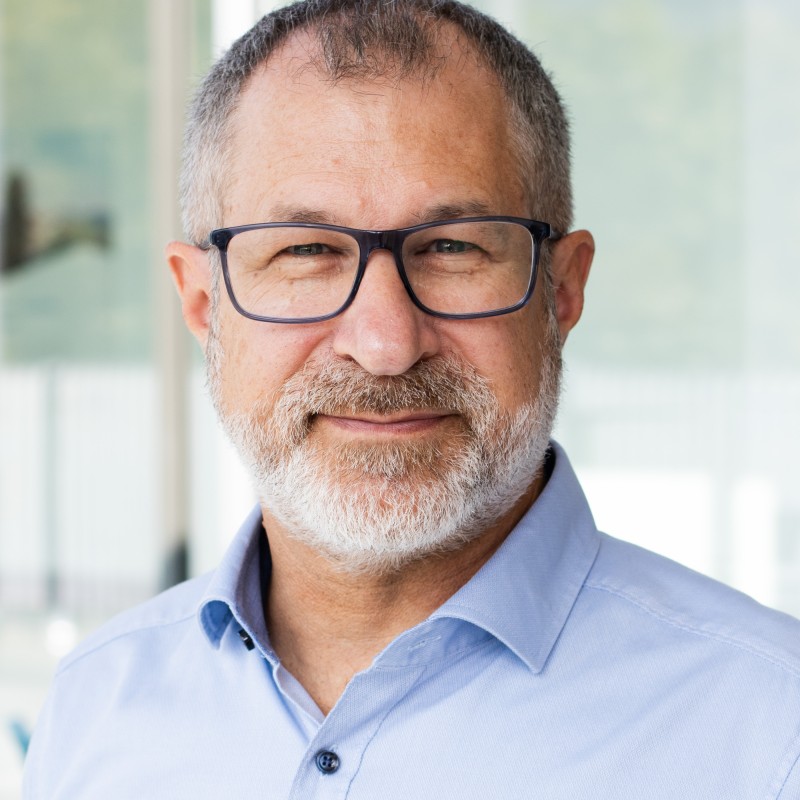
Elisabeth Hengge & Marcus Hennecke (Infineon Graz)
15:40 Open Discussion + Q&A
10min Coffee break
Session 6: Age inclusive AI discovery – opportunities and challenges
16:00 IMPULS
Age inclusive AI discovery – chances and pitfalls
Thomas Pock (BioTechMed, TU Graz)
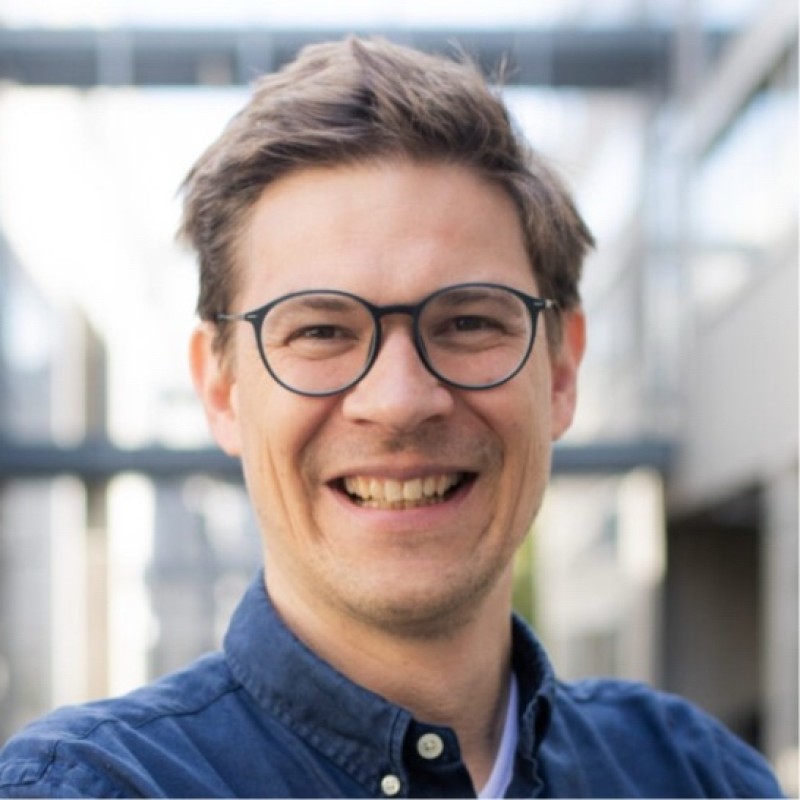
16:20 IMPULS
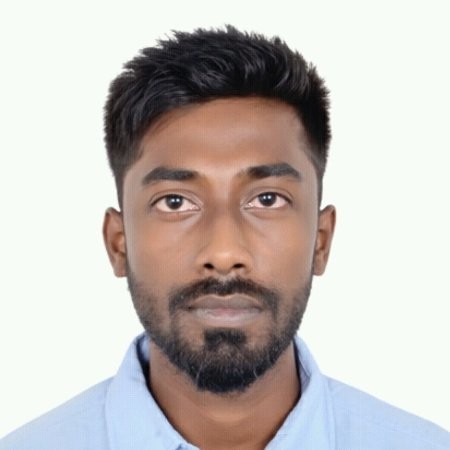
Age inclusive AI discovery – chances and pitfalls
Kausik Surendran (Schneider Electric, Bengaluru)
16:50 Age Forward Lab Graz Key Summary, Robert Eysold – Age Bombs (Berlin)
17:00 Closing: Sophie Narath, Medical University of Graz
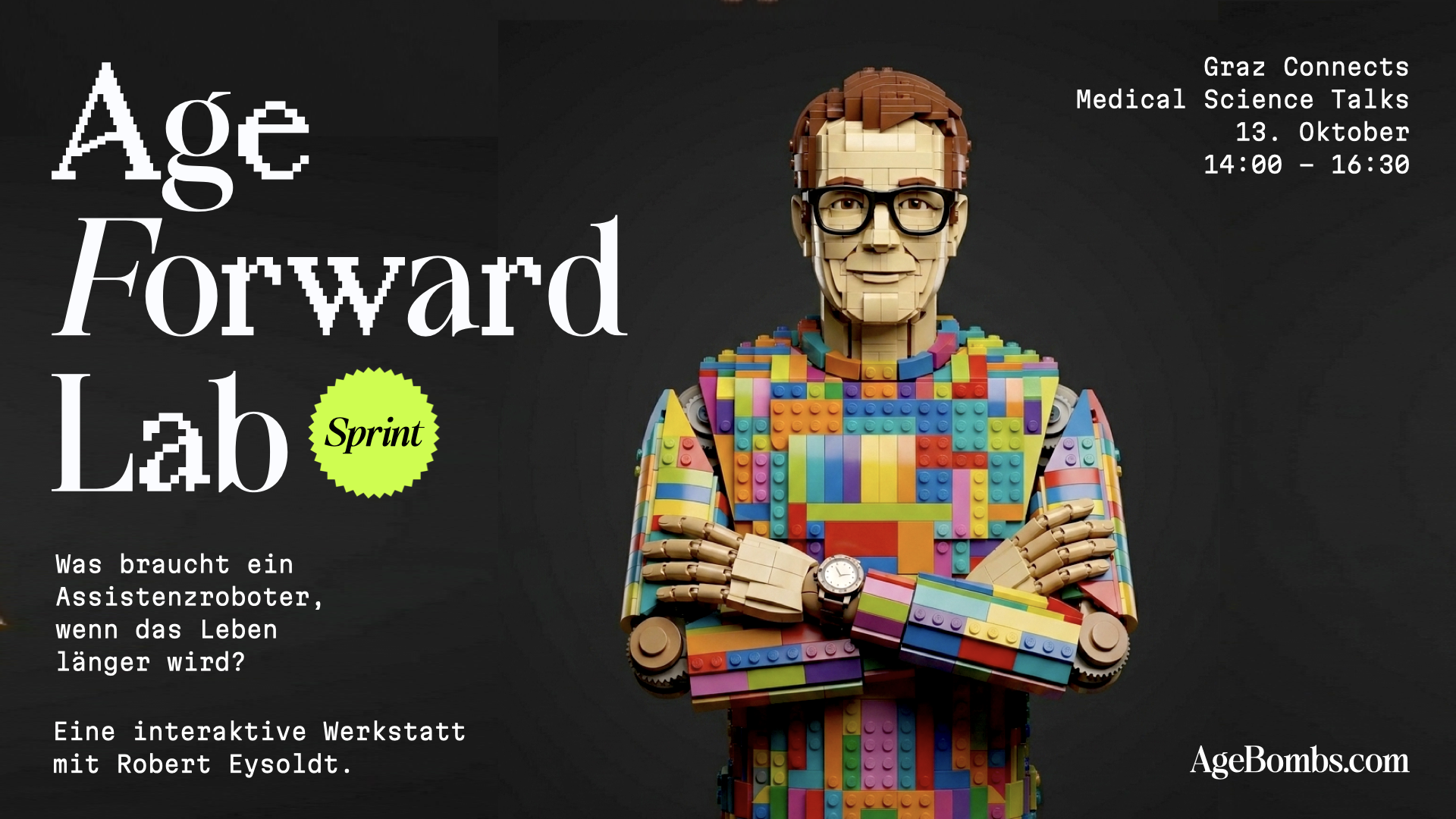
Age Forward Lab Sprint
What does an assistive robot need when life gets
longer? An interactive workshop by Age Bombs
The sprint begins with a short impulse on assistive robots. Through concrete examples, participants will see what is already possible today, where support in everyday life can
make a real difference, and which questions immediately come along with it.
Workshop language: German
Limited to 25 participants
DAY 2 – Critical Operations
October 14 – Critical Operations in Healthcare
Moderation: Victoria McGuigan, Amsterdam
in cooperation with Critical Operations Forum
09:00 WELCOME Alexander Rosenkranz, Vicerector – Medical University of Graz
INTRO Sophie Narath, Medical University of Graz
09:15 Keynote
Human-Centered Resilience: Bridging disaster health innovation and critical operations for an uncertain future
Sevan Gerard (Disaster Health Institute, Salzburg)
Paul Barach (Thomas Jefferson University, Philadelphia)
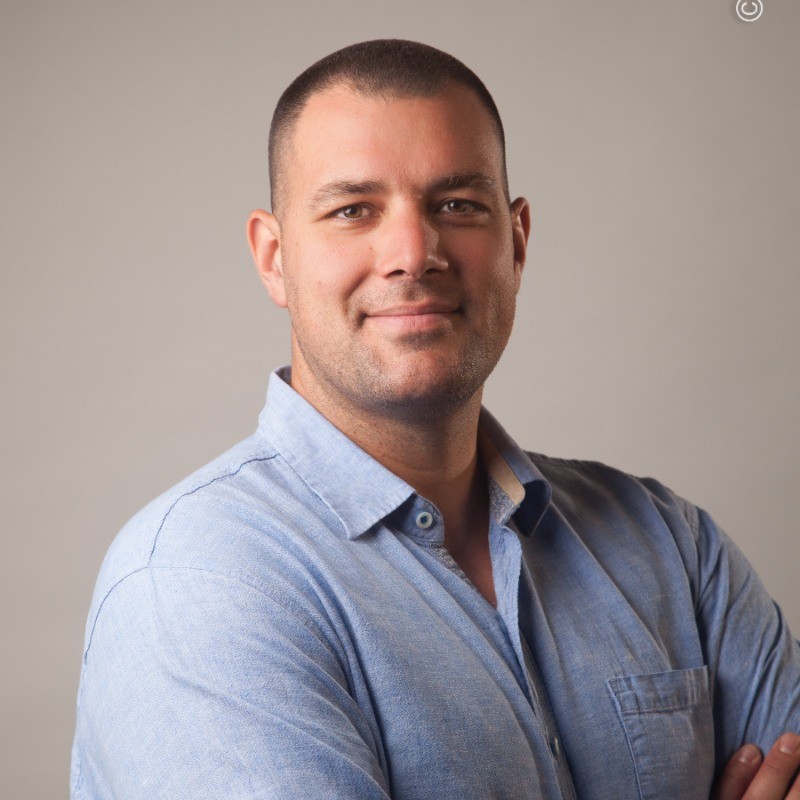
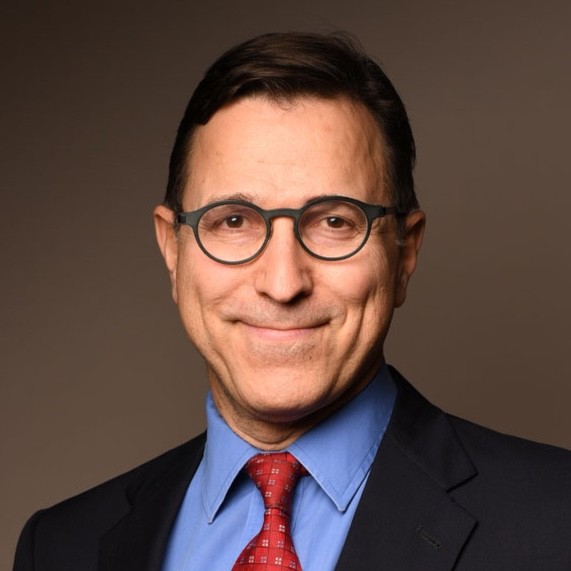
This talk frames the keynote around Disaster Health and preparedness and human-centered resilience as the unifying bridge between medical innovation and critical operations in healthcare and other high-risk industries. It argues that, whether in hospitals or other high-reliability systems, performance, safety, and sustainability depend on designing technology, workflows, and organizations around real human capabilities under stress—aligned with how workers, staff, and healthcare professionals make sense of situations and stay engaged. Recent disasters in Portugal, Switzerland, the USA, and Spain, even as a small sample, point to core systemic deficiencies that will not be addressed by technological advances alone.
30 min Coffee break
Session 1: Medical support to disaster operations
10:30 Impuls
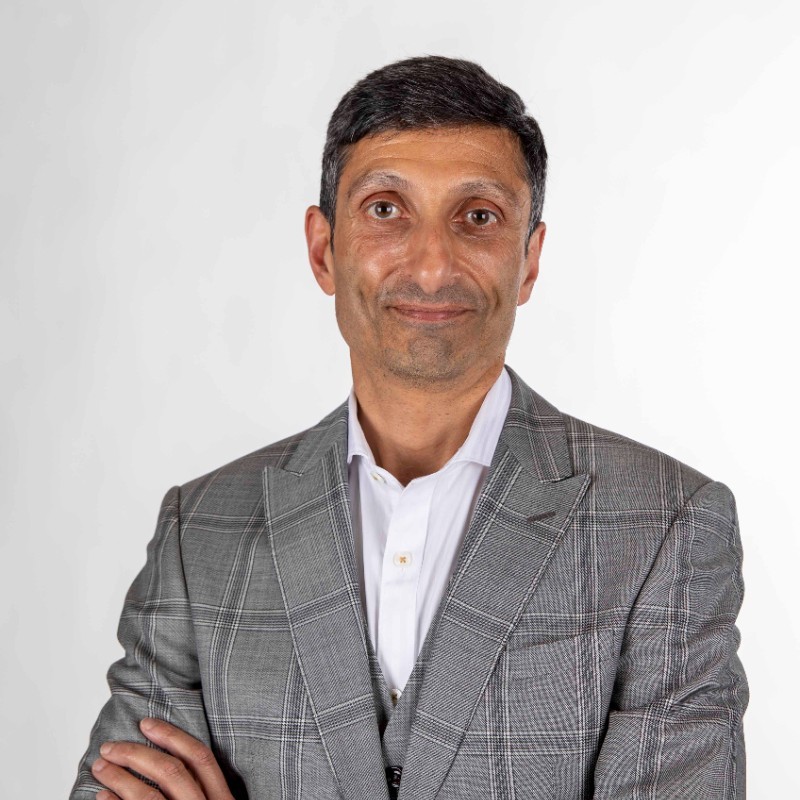
Medical support to disaster operations
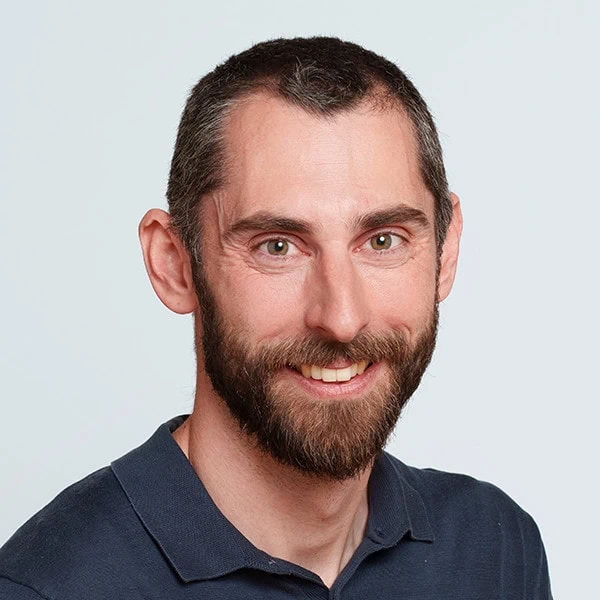
Sohrab Dalal (Director Disaster Health Insititute, Salzburg)
Panel discussion
Gregor Egger (Disaster Health Institute, Salzburg)
Magdalena Druml (NoxAvis TECH SOLUTIONS, Vienna)
Lars Kamolz (Medical University of Graz)
Philipp Zoidl (Medical University of Graz)
Markus Bergen (Joanneum Research Digital, Graz)
Florian Wichlas (Paracelsus Medical Private University Salzburg)

12:30 – 14:00 LUNCH BREAK
Session 2: CBRN preparedness: between routine operations and states of emergency
14:00 Impuls
Andra Vieriu (Department for Emergency Situations, Bucharest)
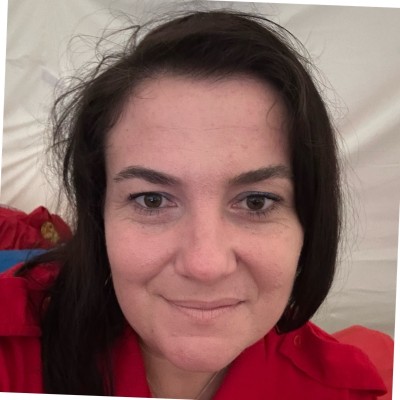
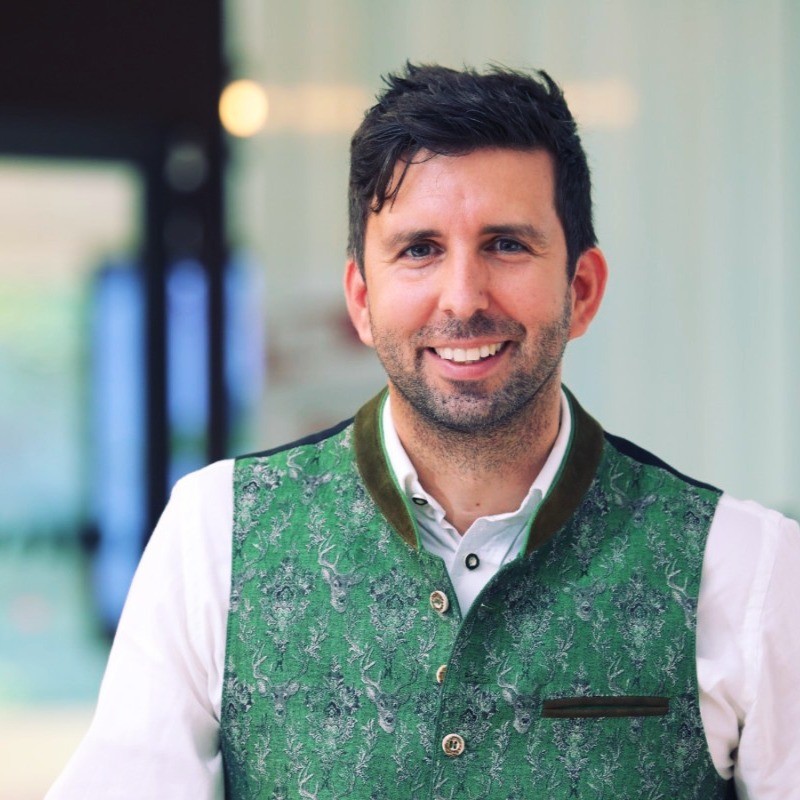
Panel discussion
Christian Resch (Disaster Competence Network Austria, Graz, Federal Ministry of the Defence, Vienna)
Caroline Schober (RCPE, Graz)
Julia Kircher, Kurt Zatloukal (Medical University of Graz)
Annemarie Weißenbacher (Rector Paracelsus Medical Private University, Salzburg)
15 min Coffee break
Session 3: Performance & civil population
in cooperation with Critical Operations Forum
15:15 IMPULS
Your team won’t perform in a real crisis? This training closes the gap.
Michael Georg Grasser, (KAGes Graz)
Bernhard Kowalski (KAGes Graz)
Bern
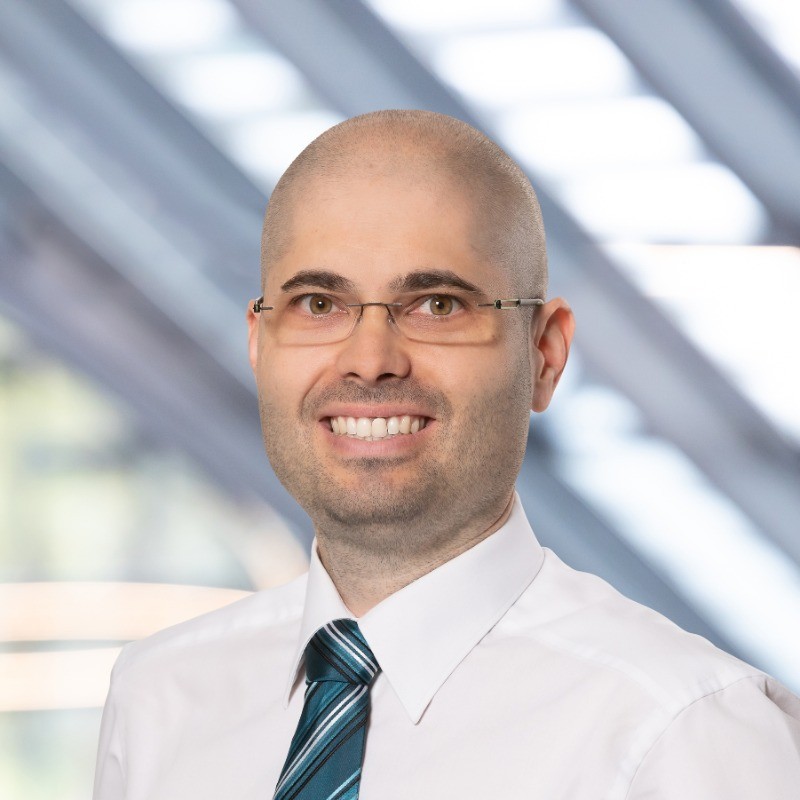
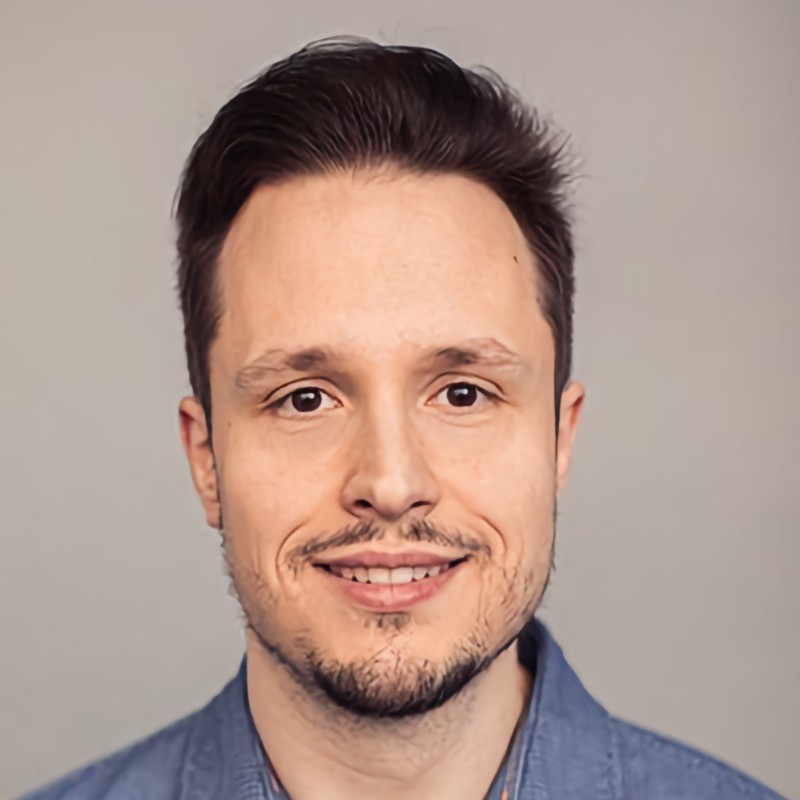
What if teamwork training changed behavior when it matters most? A European multigold medalist in prehospital emergency medicine and a long-standing executive in critical infrastructure and winner of a cybersecurity award demonstrate practical, evidence-informed methods to train teams for real transfer – so that they can maintain their performance in critical, high-risk moments. The methods are unconventional, and not what you would expect.
16:00 Impuls:
Training, Simulation, Resilience – How to learn from pros and scale it up to population
Christian Resch (Disaster Competence Network Austria, Graz, Federal Ministry of the Defence, Vienna)
Panel discussion
Lukas Swittalek (Austrian Armed Forces, Vienna)
Josef Farda (Civil Protection Associations Austria, Vienna)
Maximilian Hanke (Federal Ministry of the Interior, Vienna)
Bernhard Kowlaski (KAGes, Graz)
Frank van Trimpont (President ECDM, Brüssel)
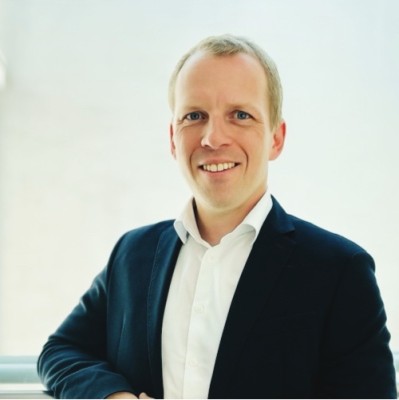
16:50 FAREWELL: A look back and a look ahead – Sophie Narath, Medical University of Graz
Medical Science Talks 2026
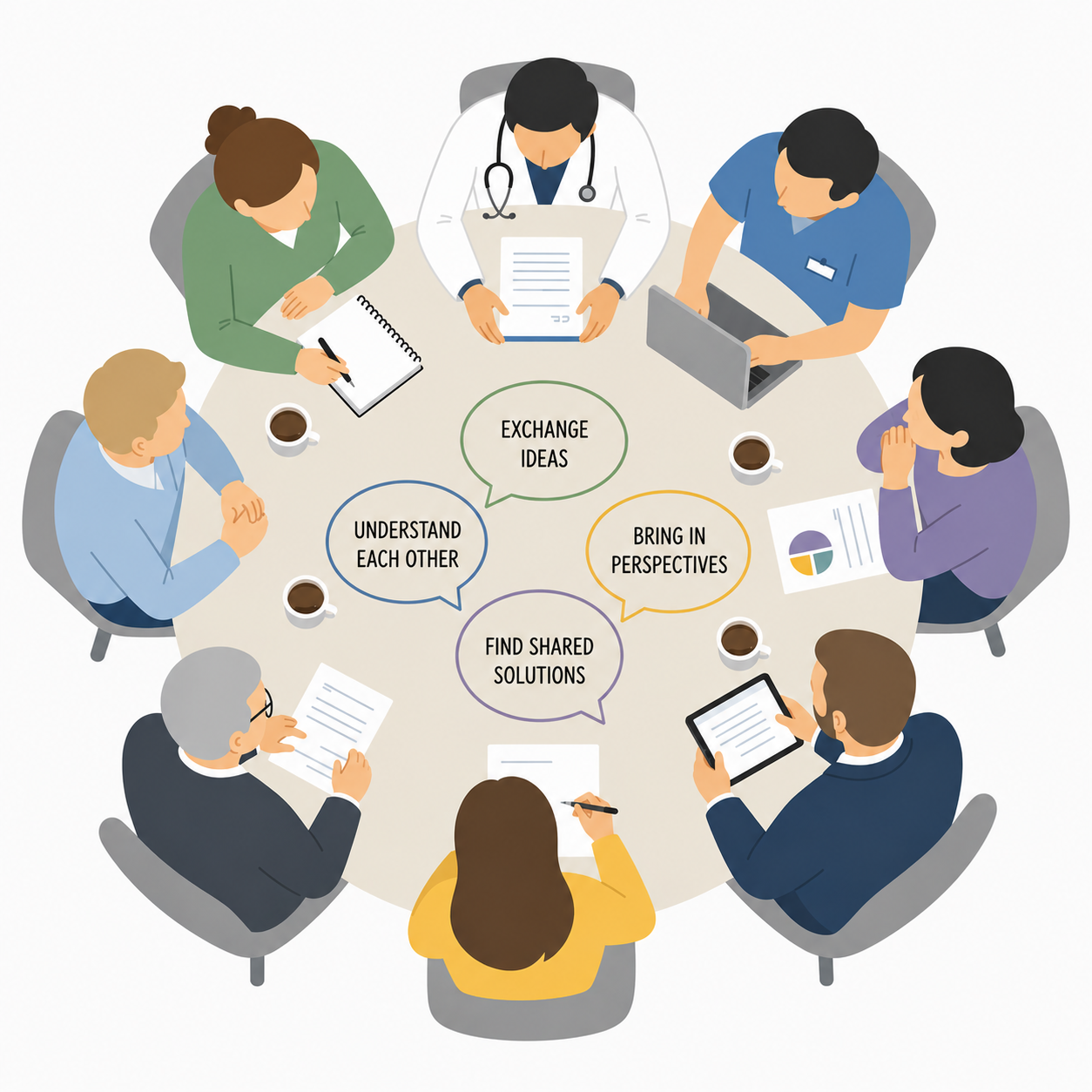
TABLE TALKS
Get your topic discussed
SUBJECT OF YOUR TABLE TALK
Formulate a clear title
Key Questions
What are the biggest opportunities and challenges in your topic?
Target Participants
Who should join based on expertise, role or interest?
Relevance for Graz Connects audience
Why does this topic matter and add value to the Graz Connects community?
The format that facilitates the discussions you seek!
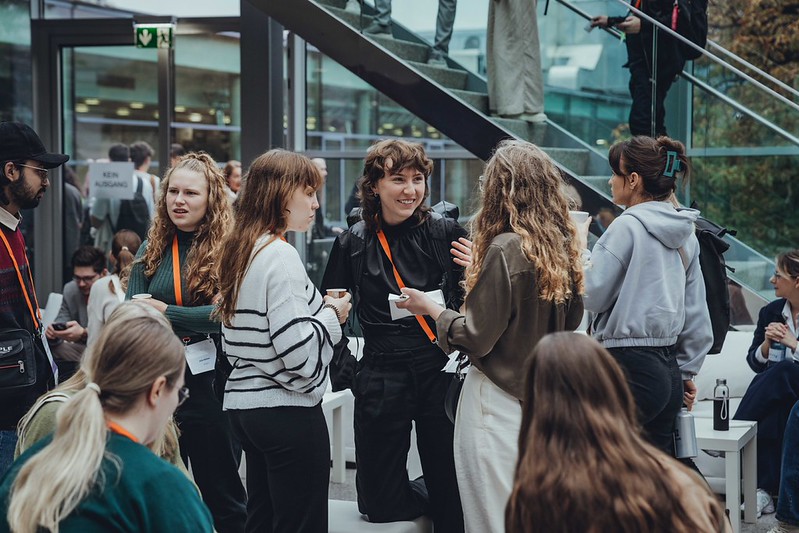
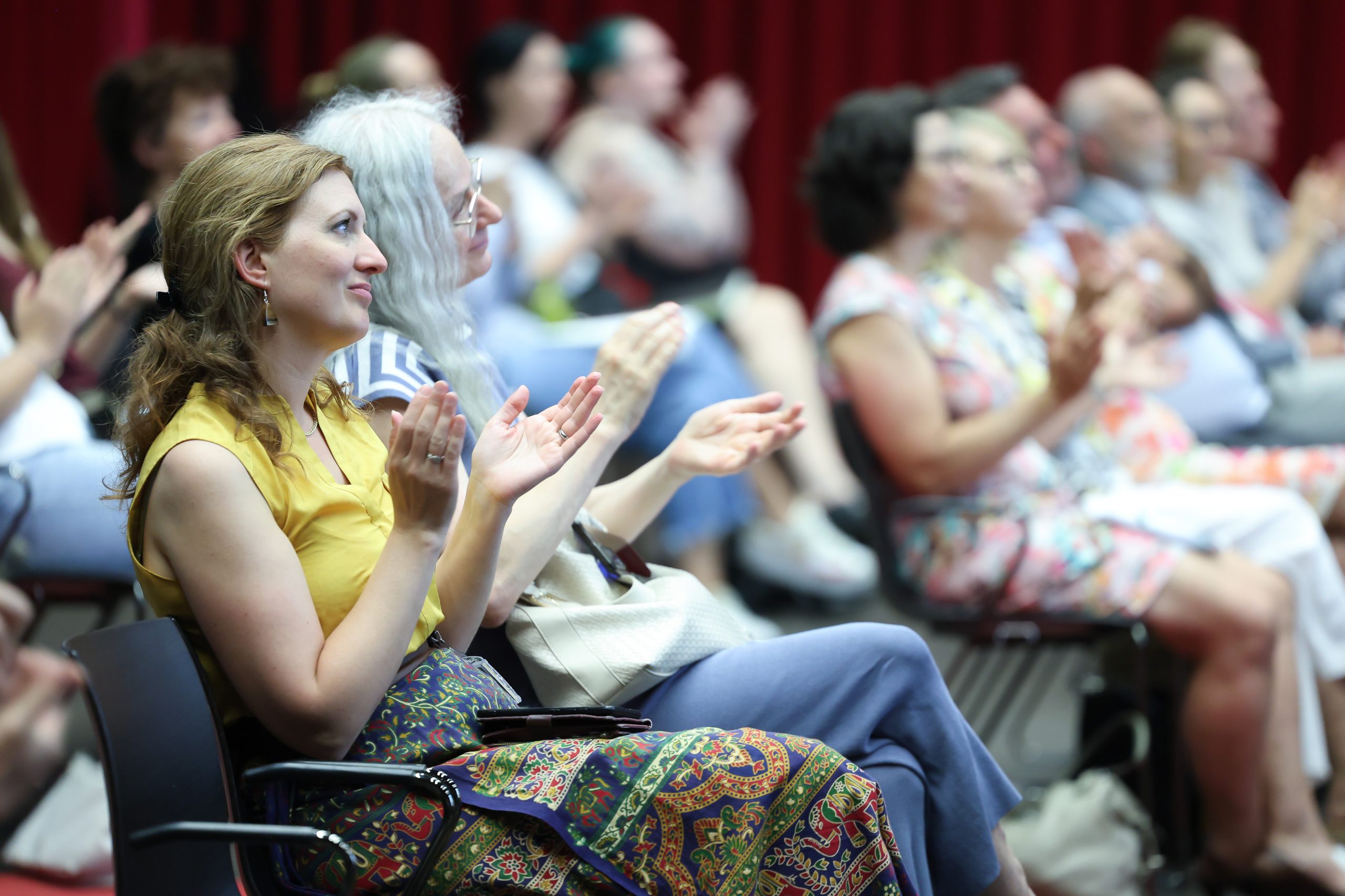
Photo Gallery
Healthcare Professionals
Discover new technologies that improve patient care and outcome
Researchers
Share knowledge, present findings and collaborate on innovations
Healthcare Professionals
Bring your ideas to life and connect with reseach and healthcare leaders
A place where different disciplines and experts meet
Emergency organisations
learn from real-world experience and strengthen crises readiness.
Students
Gain insights, expand your network and build your future
Policy Makers
Exchange perspectives and help shape a resilient health system.
40+
International speakers
200+
Participants expected
10
Countries represented
2
Conference days
6
Conferences under one roof
Our partners